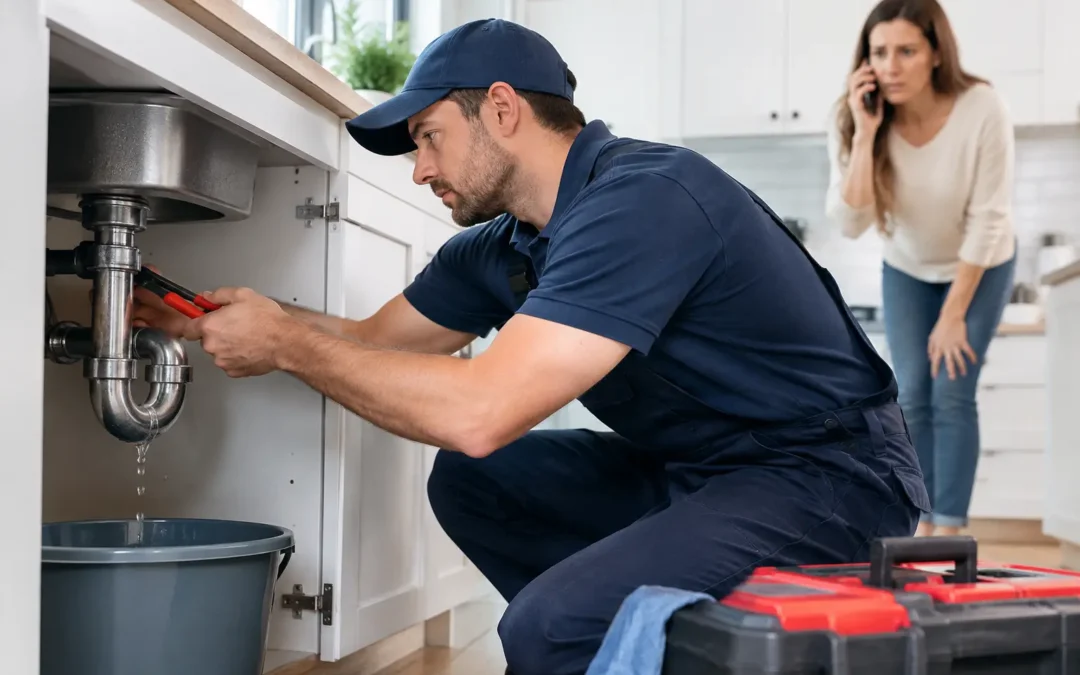
A burst pipe rarely waits for a convenient moment. Water can spread through ceilings, cupboards and flooring in minutes, while a boiler fault can leave a household without heating or hot water just when it is needed most. Knowing what to do during an emergency plumbing problem can reduce damage, protect your property and help an engineer get the repair sorted faster.
For homeowners, tenants and landlords across Leeds and West Yorkshire, the priority is simple: make the situation safe, limit the immediate damage and call a qualified local engineer without delay when the problem cannot wait.
What Counts as an Emergency Plumbing Problem?
Not every dripping tap needs an urgent call-out. A slow leak beneath a basin, for example, may be manageable if the water supply to that fitting can be isolated and a repair is booked promptly. But some faults need immediate attention because they risk flooding, damage to the property, loss of essential services or harm from gas or electricity.
Emergency plumbing is usually needed for a burst pipe, a major leak that cannot be contained, an overflowing toilet, a failed boiler in cold weather, no heating or hot water where vulnerable people are affected, or a serious drainage blockage causing wastewater to back up indoors.
Gas concerns are different again. If you can smell gas, suspect a carbon monoxide issue, or your carbon monoxide alarm sounds, do not treat it as a standard plumbing repair. Turn off the gas supply only if it is safe to do so, open doors and windows, leave the building, and contact the National Gas Emergency Service on 0800 111 999. Do not use electrical switches, naked flames or appliances until the property has been declared safe.
The First Steps Before an Engineer Arrives
The right first action depends on the fault, but acting calmly makes a real difference. If water is escaping quickly, isolate the supply as soon as possible. Most homes have an internal stopcock, commonly under the kitchen sink, near the water meter, in a utility cupboard or where the mains pipe enters the property. Turn it clockwise to stop the incoming water.
If the leak is limited to a toilet, washing machine, dishwasher or basin, there may be an isolation valve on the pipe feeding that appliance or fitting. This can be a better option than turning off the whole house supply, particularly if you need to retain water elsewhere in the property.
While waiting for help, take these practical steps:
- Move furniture, rugs, electrical items and valuables away from the affected area where safe to do so.
- Place buckets, towels or containers beneath a leak to catch water and reduce its spread.
- Switch off electricity at the consumer unit if water is close to sockets, wiring or electrical appliances. Do not touch wet electrical equipment.
- Turn off the central heating if a radiator, heating pipe or boiler is leaking, unless doing so would create another safety concern.
- Take clear photographs of the fault and any visible damage, especially if you may need to speak to your insurer or landlord.
Avoid taking apart pipework, removing a boiler casing or attempting a temporary repair with tape where water is under pressure. These fixes can make the leak worse or hide the source of the problem. A small, controlled action is useful. A risky repair attempt is not.
Emergency Plumbing for Leaks and Burst Pipes
A burst pipe is often obvious: a sudden rush of water, falling pressure, damp patches that rapidly grow, or water coming through a ceiling. In winter, frozen pipes are a common cause. Water expands as it freezes, placing pressure on weak points in the pipe until it splits.
Once the water is isolated, open cold taps to drain remaining water from the system. If a ceiling is bulging with trapped water, stay clear of it. There may be a risk of collapse, and water may have reached wiring above. An engineer can assess the plumbing fault, but significant ceiling damage or electrical risk may also require additional specialist support.
Some leaks are less dramatic but still urgent. A leak hidden below floorboards or behind a wall may show up as a damp smell, discoloured plaster, warped flooring, an unexplained drop in boiler pressure or a water meter that continues moving when no water is being used. These signs should not be ignored. Early investigation is usually far less disruptive than waiting for a visible failure.
When a Boiler Breakdown Needs Urgent Attention
A boiler that has stopped working is not always a plumbing emergency, but it can become one depending on the weather, the people in the property and the cause of the fault. A household with young children, older residents or someone with a health condition may need a much faster response when there is no heating or hot water.
Check the boiler display for an error code, ensure the power supply is on and look at the system pressure gauge if your boiler has one. Low pressure can sometimes explain a boiler lockout, but repeated pressure loss points to an underlying fault that needs proper diagnosis. Do not keep repressurising a system that is losing pressure, as this may conceal a leak or failed component.
If you see water around the boiler, hear unusual banging noises, notice a burning smell, or suspect a gas issue, stop using the appliance and seek professional help. Boiler repairs and all gas work should be carried out by a Gas Safe registered engineer. This is not an area for guesswork, online tutorials or an unqualified repair.
Emergency Plumbing in Rented Homes and Managed Properties
Tenants should report urgent leaks, loss of heating or hot water, and drainage problems to their landlord or managing agent straight away. Keep a record of the time you reported the issue, the photographs taken and any steps used to limit damage. If there is an immediate risk to the property or occupants and the landlord cannot be reached, an emergency engineer may be necessary.
Landlords and property managers have a particular reason to act quickly. A leak can affect neighbouring flats, damage a tenant’s belongings and turn a straightforward repair into an insurance claim. Heating and hot-water failures also need sensible prioritisation, especially during cold spells. Clear communication matters: tenants need to know when an engineer is expected, what access is required and whether the water or heating needs to stay switched off.
For gas appliances, landlords must also maintain valid gas safety records. An emergency repair does not replace the need for compliant inspection and documentation where it is due.
Choosing the Right Emergency Plumber
During a stressful call-out, it is tempting to accept the first available option. Availability matters, but so do qualifications, transparency and accountability. Ask whether the engineer can attend, whether there is a call-out charge, how labour and parts will be priced, and whether they will explain the recommended repair before starting work.
For boiler, gas appliance or gas pipework issues, always confirm that the engineer is Gas Safe registered and qualified for the work required. A professional engineer should be able to diagnose the fault clearly, explain whether a repair is safe and economical, and tell you if a replacement part or return visit is needed.
There are times when a complete repair cannot be finished on the first visit. Parts may need to be ordered, water damage may need drying before reinstatement, or an older boiler may need a more considered repair-versus-replacement decision. A good emergency response still leaves you with a safe property, a clear explanation and no uncertainty about the next step.
Tante Plumbing & Heating provides round-the-clock emergency response for local households and landlords, with upfront quotations before work begins. Its 177 Google reviews reflect the things people need most when something goes wrong: prompt attendance, straightforward advice and reliable follow-through.
Preventing the Next Plumbing Emergency
Many call-outs cannot be predicted, but a few regular checks lower the risk. Have your boiler serviced annually, particularly before winter. Keep an eye on boiler pressure and deal with small leaks before they grow. Know where your internal stopcock is and make sure it turns freely. If it has seized, arrange for it to be checked rather than discovering the problem during a burst pipe.
In cold weather, keep your heating on a low background setting when the property is empty, insulate vulnerable pipes where appropriate and do not leave outside taps connected to hoses. For landlords, planned boiler servicing and timely gas safety checks also reduce avoidable disruption for tenants.
When water is spreading or heating has failed, the goal is not to become a plumbing expert at the kitchen sink. Make the property safe, contain what you can, and get a qualified local engineer involved early. A quick, sensible response today can save a great deal of repair work tomorrow.